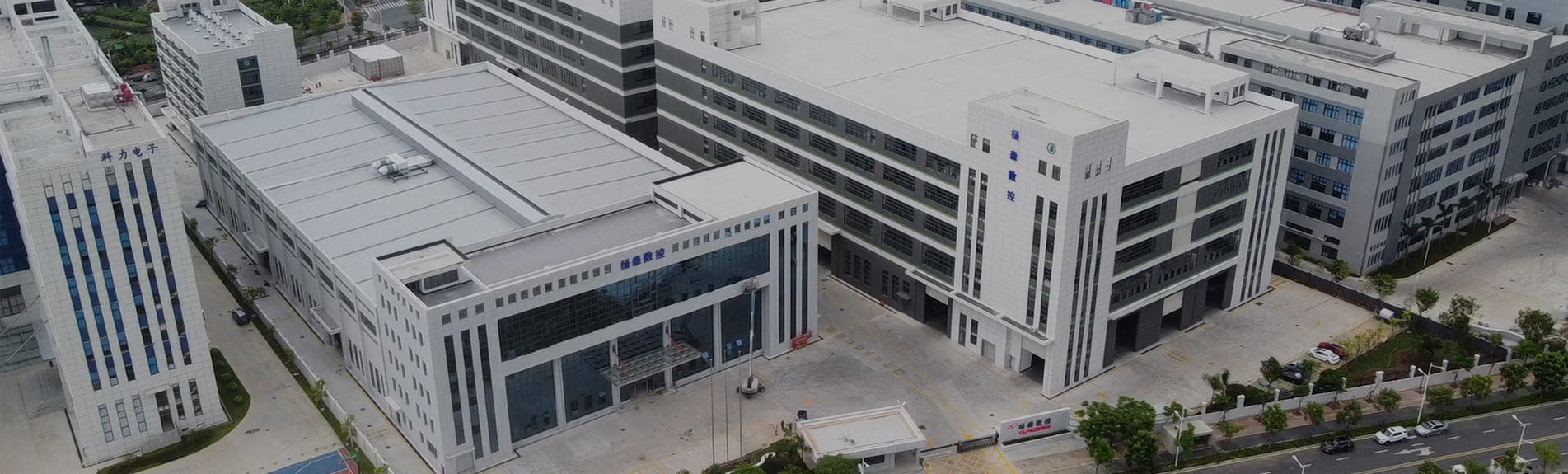
Not every CNC machine can meet the demands of semiconductor machining. A machine that works well for general metal parts may struggle with the tight tolerances, complex features, and surface quality required for semiconductor equipment components.
From precision chamber housings to liquid cooling plates, even small machining errors can lead to assembly problems, sealing failures, or costly rework. Choosing the wrong machine can also increase production time and operating costs.
So, how do you choose the right CNC machine for these applications? This guide breaks down the key machining challenges, machine specifications, and CNC machine types to help you recommend the right solution for your customers.
Semiconductor manufacturing equipment contains many precision metal parts that support, position, cool, and protect critical components. These parts vary in size, shape, and function, so their CNC machining requirements are not always the same.
The table below shows common semiconductor equipment parts and their key machining requirements.
Component |
Main Machining Requirements |
Equipment Frames and Bases |
Large machining areas, flat mounting surfaces, and accurate hole positions for stable equipment assembly. |
Chamber Housings |
Precise internal features, smooth sealing surfaces, and accurate mounting holes for reliable assembly. |
Precision Mounting Plates |
Tight dimensional tolerances, good flatness, and accurate hole positioning for component alignment. |
Liquid Cooling Plates |
Accurate cooling channels, flat sealing surfaces, and minimal burrs to reduce leakage risks. |
Cooling Manifolds |
Precise internal passages, threaded connections, and clean intersections for reliable coolant flow. |
Among these components, liquid cooling plates and cooling manifolds are becoming important in advanced semiconductor and AI-related equipment. Their internal channels and sealing surfaces require careful machining to support reliable cooling performance.

For CNC machine dealers, understanding these differences is the first step toward recommending suitable equipment. A small precision plate may be machined on a vertical machining center, while a large equipment base or complex housing may require a gantry or horizontal machining center.
Semiconductor equipment parts often demand more than standard metal machining. Tight tolerances, thin walls, complex internal features, and strict surface requirements can make it difficult to maintain consistent quality. Understanding these challenges helps you choose CNC machines that meet your customers' production needs.
Even small dimensional errors can affect how semiconductor equipment parts fit together. Mounting plates, chamber housings, and other precision components often require accurate hole positions, flat surfaces, and consistent dimensions.
Heat generated during machining can cause the workpiece to expand, while cutting forces may lead to deformation. A CNC machine with good positioning accuracy, thermal stability, and a rigid structure helps reduce these problems.

Aluminum alloys and stainless steel are commonly used in semiconductor equipment components, but they present different machining challenges.
Aluminum is relatively easy to cut, yet thin sections can bend under clamping pressure or cutting forces. Stainless steel requires careful control of cutting conditions because of its higher cutting resistance and tendency to work-harden.
For thin-wall housings and precision plates, the machining process must balance material removal with dimensional stability.
Surface quality is important for semiconductor equipment parts, especially those with sealing surfaces or close-fitting assemblies. Tool marks, burrs, and scratches can affect sealing performance or interfere with assembly.
Residual chips and cutting fluids may also create contamination risks. While final cleaning requires separate processes, CNC machining should minimize burr formation and make it easier to remove machining residue.
Good surface finish depends on stable cutting conditions, suitable tooling, and effective chip removal.
Liquid cooling plates and cooling manifolds often contain narrow channels, intersecting holes, and precision sealing surfaces. These features can be difficult to machine and inspect.
Burrs left inside cooling channels may restrict fluid flow or break loose during operation. Poor flatness or surface finish around sealing areas can also increase the risk of leakage.
Machining these components requires accurate tool paths, stable cutting conditions, and careful control of internal features. The goal is not only dimensional accuracy but also reliable assembly and sealing performance.

Choosing a CNC machine for semiconductor machining starts with the workpiece, not the machine model. Different parts require different levels of accuracy, machine rigidity, and machining flexibility. Before recommending equipment, you should evaluate the following five factors.
Start by checking the workpiece dimensions, weight, and required machining area. The CNC machine must have enough travel to accommodate the part, fixtures, and cutting tools.
For example, large semiconductor equipment bases may require a gantry machining center, while smaller mounting plates can often be machined on a vertical machining center.
Pay attention to three specifications:
A machine with a larger work envelope is not always better. The goal is to match machine capacity to the actual part.
Semiconductor equipment components often require precise hole positions, flat surfaces, and consistent dimensions across production batches.
When comparing CNC machines, focus on:
However, machine positioning accuracy alone does not guarantee finished-part accuracy. Cutting forces, fixtures, tooling, and temperature changes also affect the result.
For high-precision applications, ask the supplier to provide accuracy test reports or conduct sample machining using your customer's drawings.
Spindle performance should match the material and machining process rather than simply offering the highest RPM.
Aluminum semiconductor components often benefit from higher spindle speeds for efficient finishing. Stainless steel parts may require greater torque and machine rigidity to maintain stable cutting conditions.
Consider the following:
For precision mounting plates and thin-wall housings, stable cutting is often more important than maximum spindle power.
The number of machining axes affects how efficiently a CNC machine can handle complex semiconductor equipment parts.
A 3-axis VMC is often sufficient for flat mounting plates, brackets, and liquid cooling plates with accessible channels. However, chamber housings or cooling manifolds with features on multiple sides may require additional machining axes.
A 4-axis machine allows the workpiece to rotate for machining different faces, while a 5-axis machining center can access angled or complex surfaces with fewer setups.
Choose additional axes when they provide clear benefits in machining access, positioning accuracy, or setup time. More axes do not automatically mean better machining results.
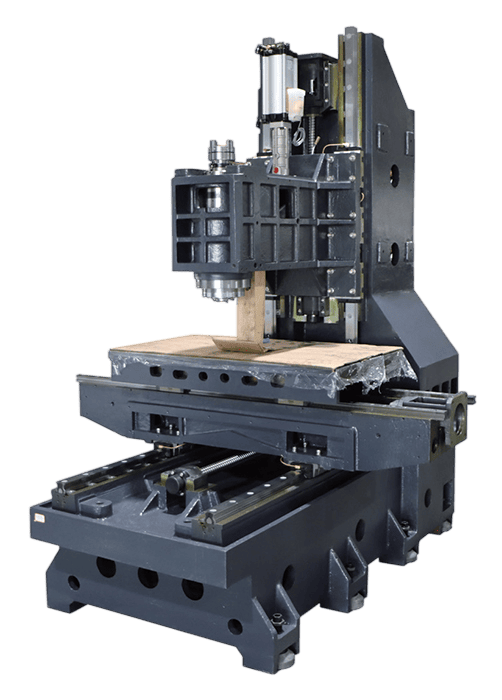
Effective cooling and chip removal help maintain stable cutting conditions and reduce machining defects.
This is particularly important when machining liquid cooling plates and manifolds, where chips and burrs can remain inside narrow passages.
Check the machine's supporting systems:
Remember that CNC cutting fluid is different from the liquid cooling system used in the finished semiconductor equipment. Machined cooling channels still require proper deburring, cleaning, and inspection before assembly.
Ultimately, the right CNC machine should meet the required part quality without adding unnecessary capacity or features. Evaluate these factors against the customer's drawings and production requirements before comparing specific machine types.
There is no single CNC machine that fits every semiconductor machining application. A precision mounting plate, a chamber housing, and a large equipment base have different machining needs.
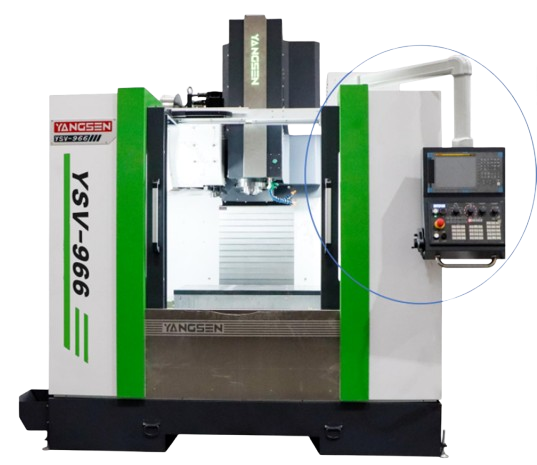
For most flat components, a VMC is a practical starting point. An horizontal machining center is better suited to parts that need machining on several sides, while a gantry machining center handles larger structural components. A 5-axis machine becomes useful when complex angles or limited tool access make repeated setups difficult.

CNC Machine Type |
Suitable Semiconductor Parts |
Key Advantages |
Vertical Machining Center (VMC) |
Mounting plates, brackets, liquid cooling plates |
Suitable for flat surfaces, precision holes, slots, and milled cooling channels. |
Horizontal Machining Center (HMC) |
Chamber housings, cooling manifolds, multi-sided components |
Supports multi-face machining with fewer setups and efficient chip removal. |
Gantry Machining Center |
Large equipment frames, bases, oversized mounting plates |
Offers a large working area and stable support for heavy or oversized workpieces. |
5-Axis Machining Center |
Complex housings, angled passages, precision components |
Provides better tool access to angled features and complex surfaces while reducing repositioning. |
Before recommending a CNC machine for semiconductor machining, dealers should understand the customer's actual production needs. A machine may meet the basic specifications but still be unsuitable for the required parts or production process.
Confirm these five points before preparing a quotation:
For complex or high-precision parts, request a sample machining test before finalizing the machine recommendation. This helps verify whether the proposed machine and machining process can meet the customer's requirements.
Q: What materials are used in semiconductor CNC machining?
A: Aluminum alloys and stainless steel are widely used for semiconductor equipment components. Aluminum suits lightweight structures, mounting plates, and liquid-cooling components because of its machinability and thermal conductivity. Stainless steel is often used where corrosion resistance and strength are important. Some applications also require titanium, copper, or engineering plastics.
Q: Can a VMC machine liquid cooling plates?
A: Yes. A VMC can machine many aluminum liquid cooling plates, including their cooling channels, mounting holes, and sealing surfaces. However, the machine must provide sufficient positioning accuracy, spindle performance, and working travel. Proper deburring, cleaning, and leak testing are also necessary to ensure the finished plates meet their functional requirements.
Q: Is 5-axis CNC machining necessary for semiconductor parts?
A: No. Many semiconductor equipment parts can be machined efficiently using 3-axis or 4-axis CNC machines. A 5-axis machining center is better suited for components with complex angles, hard-to-reach surfaces, or multiple machining orientations. Dealers should recommend 5-axis machining only when it offers clear benefits in accuracy, setup reduction, or production efficiency.
Q: How can dealers verify CNC machining accuracy before delivery?
A: Dealers can request machine accuracy reports, positioning and repeatability test results, and sample machining tests. For critical semiconductor components, the sample should be inspected against the customer's drawings, including dimensions, hole positions, flatness, and surface finish. A successful sample test provides stronger evidence of machining capability than machine specifications alone.
Choosing the right CNC machine for semiconductor machining depends on more than machine specifications. Workpiece size, material, required accuracy, and part complexity all affect which machine will perform best. For CNC machine dealers, understanding these requirements helps you recommend suitable equipment while avoiding unnecessary costs.
Looking for the right CNC machine for your customer's application? Contact CNC YANGSEN with your workpiece drawings and machining requirements to find a suitable solution.