A high-performance CNC milling machine does not always guarantee high-quality machining results. Many manufacturers still face problems such as workpiece vibration, unstable accuracy, poor surface finish, and long setup time.
The reason may not be the machine itself. Without proper workholding, the cutting force can affect part stability and reduce machining consistency.
The right CNC workholding solution helps secure the workpiece, improve machining accuracy, reduce setup time, and increase production efficiency.
In this guide, we will explore the common CNC workholding solutions for milling machines and how to choose the right option for different machining requirements.

In CNC milling, workholding is not just about keeping a part in place. It directly affects machining accuracy, production efficiency, and overall process stability. A suitable workholding solution ensures the workpiece remains secure during cutting, allowing the CNC machine to perform at its full capability.
During milling operations, cutting forces can cause slight movement or vibration if the workpiece is not properly secured. This may lead to:
A reliable CNC workholding solution provides stable positioning and reduces part movement, helping manufacturers achieve more accurate and repeatable machining results.
Modern manufacturing often requires machining complex parts with fewer setups, including multi-side machining and 5-axis operations. These applications require workholding solutions with higher rigidity, better accessibility, and reliable positioning.
Efficient workholding systems help:
The right workholding system allows manufacturers to handle more challenging machining tasks while maintaining accuracy and efficiency.
Different machining applications require different workholding methods. The right solution depends on factors such as part shape, machining process, production volume, and accuracy requirements. Below are some of the most common CNC workholding solutions used in milling operations.
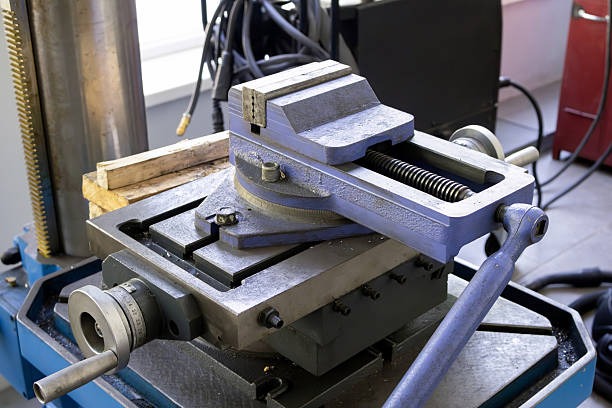
CNC machine vises are one of the most widely used workholding solutions for milling machines. They are commonly used for standard parts with simple shapes and provide a balance between clamping force, flexibility, and ease of operation.
Suitable for:
Advantages:
However, standard vises may have limitations when machining complex-shaped parts or applications requiring better tool accessibility.

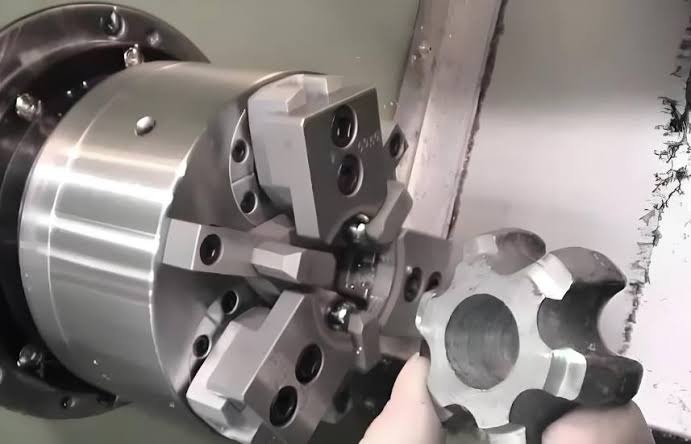
When standard workholding cannot meet specific machining requirements, custom CNC fixtures provide a more specialized solution. These fixtures are designed according to the part geometry and machining process to achieve better positioning and stability.
Suitable for:
Advantages:
Custom fixtures are especially useful for manufacturers producing complex parts that require high precision and repeatability.

Modular workholding systems are designed for manufacturers that need flexibility when machining different types of components. Instead of creating a new fixture for every part, modular systems allow users to quickly adjust the setup.
Suitable for:
Advantages:
This makes modular workholding a practical choice for companies handling various machining jobs.
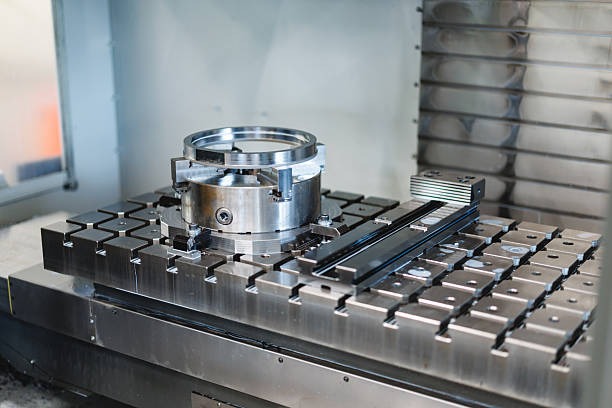
For advanced CNC machining applications, zero-point and pallet workholding systems help manufacturers reduce setup time and improve automation capability. These systems allow fast fixture changes while maintaining accurate positioning.
Suitable for:
Advantages:
These solutions are commonly used in high-volume and precision manufacturing environments where productivity is a priority.
Choosing the right CNC workholding solution depends on more than just securely holding the workpiece. Manufacturers need to consider part characteristics, machining requirements, and production goals to achieve the best balance between accuracy, efficiency, and cost.
The shape, size, and complexity of the workpiece are important factors when selecting a workholding method.
For simple rectangular parts, a standard CNC vise is often an efficient and cost-effective choice. However, complex components with irregular shapes may require custom CNC fixtures to provide better support and positioning.
Large or heavy parts may require modular or dedicated workholding solutions to ensure stability during heavy-cutting operations.
Different machining processes require different levels of rigidity and accessibility.
For heavy cutting operations, the workholding system should provide:
For precision machining, the priority is:
For multi-side or 5-axis machining, a low-profile and flexible workholding solution is preferred to provide better tool access and reduce the need for multiple setups.
Production volume also affects the most suitable workholding choice.
For low-volume production, standard vises and flexible fixtures are usually enough because they provide easy setup and lower investment costs.
For medium-volume production, modular workholding systems can improve efficiency by allowing faster changeovers between different parts.
For high-volume production, dedicated fixtures or automated workholding systems are often preferred to reduce setup time and maximize machine utilization.
The CNC machine configuration also influences workholding selection.
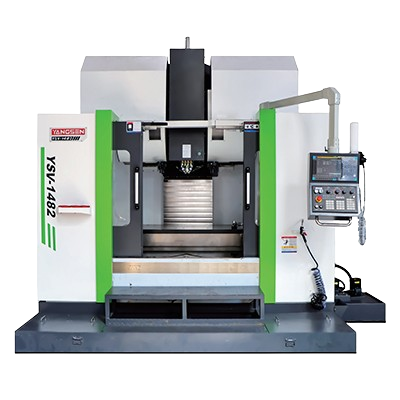
Vertical Machining Centers (VMCs) are commonly used for general milling and flexible production. CNC vises and modular fixtures are often suitable for these applications.
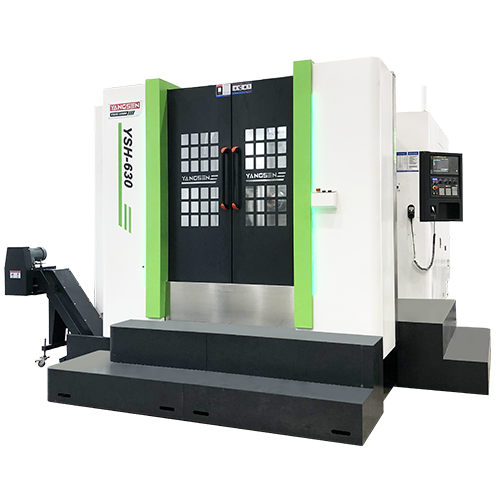
Horizontal Machining Centers (HMCs) are designed for high-efficiency and multi-face machining. Pallet systems and zero-point workholding can help reduce repositioning time.
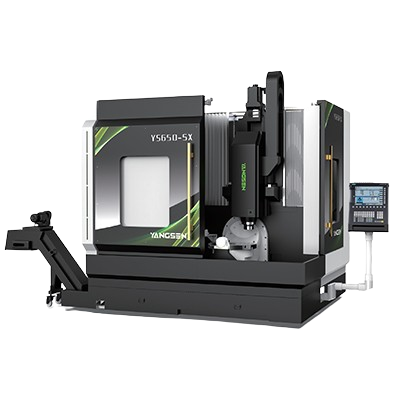
5-Axis Machining Centers require workholding solutions with better accessibility and lower interference, allowing the machine to reach multiple surfaces with fewer setups.
By matching the workholding solution with both the part requirements and CNC machine type, manufacturers can achieve higher machining efficiency and more consistent results.
Different CNC milling machines have different machining capabilities, so the ideal workholding solution should match the machine structure, machining method, and production requirements. Selecting the right combination of machine and workholding system helps manufacturers improve stability, reduce setup time, and achieve better machining results.
Vertical machining centers (VMCs) are widely used for general precision machining, mold manufacturing, and small to medium-sized component production. Since the spindle moves vertically, workholding solutions need to provide reliable clamping while maintaining good accessibility for cutting tools.
Common solutions include:
For manufacturers using VMCs, the workholding system should balance rigidity, flexibility, and ease of setup to support different machining tasks.
Horizontal machining centers (HMCs) are commonly used for high-volume production and multi-side machining. Their horizontal spindle design allows better chip removal and efficient machining of complex parts.
Suitable workholding solutions include:
These solutions help reduce repeated setups, improve positioning accuracy, and maximize machine utilization, making them ideal for manufacturers requiring efficient and consistent production.
5-axis machining centers can machine complex parts from multiple angles in a single setup, but they also require workholding solutions with better accessibility and stability.
Recommended solutions include:
The right workholding solution allows more tool movement, reduces interference, and helps manufacturers achieve higher accuracy when machining complex components such as aerospace parts, molds, and precision components.
A complete machining solution requires both a capable CNC machine and a suitable workholding system. By selecting the right combination, manufacturers can improve machining efficiency, reduce production challenges, and get the most value from their CNC equipment.
The performance of a CNC milling machine depends not only on machine accuracy and cutting tools but also on how securely the workpiece is held during machining. A suitable workholding solution can directly improve machining stability, production efficiency, and overall manufacturing results.
Unstable workholding can cause vibration, part movement, and cutting instability, which may affect surface quality and dimensional accuracy.
A reliable CNC workholding solution helps:
This is especially important for precision components that require tight tolerances and consistent quality.
Poor workholding can create additional cutting forces and vibration, causing faster tool wear and unexpected tool damage.
With stable clamping, manufacturers can:
A stable machining process not only improves part quality but also helps reduce overall production expenses.
In modern manufacturing, reducing non-cutting time is essential for improving productivity. Slow setup processes and frequent adjustments can significantly reduce CNC machine utilization.
Efficient workholding systems help:
By selecting the right workholding solution, manufacturers can maximize the performance of their CNC milling machines and achieve more efficient production.
1. What Is CNC Workholding for Milling Machines?
CNC workholding refers to the devices and systems used to securely position and clamp a workpiece during CNC milling operations. It helps maintain part stability, improve machining accuracy, and reduce movement caused by cutting forces.
Common CNC workholding solutions include machine vises, custom fixtures, modular systems, and zero-point clamping systems.
2. Why Is Workholding Important in CNC Milling?
Workholding plays an important role in machining performance because even a small amount of workpiece movement can affect accuracy and surface quality.
A proper workholding solution helps:
3. What Is the Best Workholding Solution for CNC Milling?
There is no single best workholding solution for all applications. The right choice depends on the part size, geometry, machining process, and production volume.
For example:
4. How Do I Choose a CNC Fixture for My Parts?
When selecting a CNC fixture, manufacturers should consider:
A suitable fixture should provide enough clamping force while minimizing deformation and allowing easy tool access.
5. Do 5-Axis CNC Machines Need Special Workholding Solutions?
Yes. 5-axis machining requires workholding solutions with better accessibility and lower interference because the machine can approach the workpiece from multiple angles.
Low-profile fixtures, custom fixtures, and modular workholding systems are commonly used to maximize tool reach and reduce the need for multiple setups.
The right CNC workholding solution helps manufacturers achieve better machining accuracy, reduce setup time, and improve production efficiency. A suitable workholding method, combined with a reliable CNC machining center, allows machines to perform at their full potential.
When selecting a CNC machining solution, consider both machine capability and workholding requirements to achieve stable and consistent results.
Contact CNC Yangsen to find the right CNC machining solution for your production needs.
タグ :