トレーニング

5 Key Factors Affecting Vertical Machining Center Accuracy

May 28, 2026

Why can some vertical machining centers hold stable accuracy for years, while others quickly lose precision?

Problems like dimensional errors, poor surface finish, and unstable machining are usually not caused by just one issue. The real difference often comes from the machine’s core components, structure, assembly quality, and calibration process.

In this article, we’ll look at the 5 key factors that directly affect vertical machining center accuracy and long-term machining stability.


Ball Screws and Linear Guides

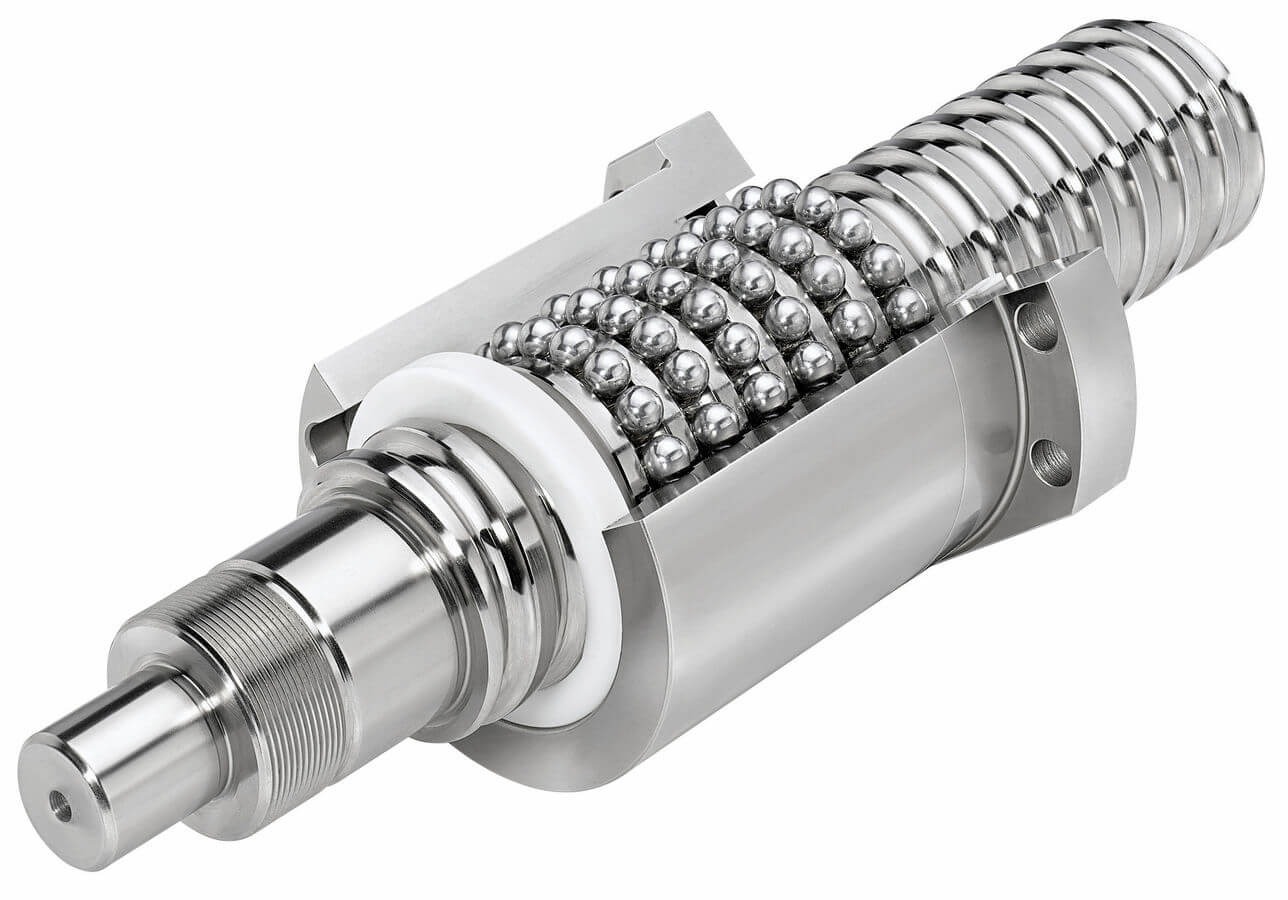
Ball screws and linear guides are some of the most important components affecting vertical machining center accuracy. They directly determine positioning precision, movement stability, and long-term machining consistency.


How Ball Screws Affect Positioning Accuracy

The ball screw controls the movement of each machine axis. Its precision directly affects positioning accuracy and repeatability.

High-quality ball screws provide:

  • More accurate axis movement
  • Lower backlash
  • Better stability during high-speed machining

If the ball screw quality is poor, the machine may develop dimensional errors, unstable cutting performance, and reduced machining accuracy over time.


Why Linear Guides Matter

Linear guides affect machine rigidity and movement smoothness. A stable guide system helps reduce vibration and improve machining consistency.

Compared with lower-quality guide systems, high-precision linear guides offer:

  • Better cutting stability
  • Smoother axis movement
  • Higher rigidity during heavy cutting
  • Improved surface finish quality

The contact structure between the guide rail and slider also matters. A better contact design can significantly improve machine stability and accuracy retention.


Hardware Quality Determines the Accuracy Limit

Many people believe machine accuracy mainly depends on assembly skill, but hardware quality sets the foundation.

Even experienced technicians cannot achieve high precision with low-grade ball screws or unstable linear guides. Good craftsmanship can improve performance, but it cannot fully compensate for poor components.

That is why high-precision vertical machining centers usually use premium-grade transmission and guide systems to maintain stable accuracy for long-term production.


Machine Structure and Rigidity

Machine structure directly affects machining stability and long-term accuracy. Even with good components, a weak machine frame can still cause vibration, dimensional errors, and unstable cutting performance.


Why Rigidity Matters

A rigid machine structure helps reduce vibration during cutting and keeps machining more stable, especially during high-speed or heavy cutting.

Poor rigidity often leads to:

  • Poor surface finish
  • Dimensional deviation
  • Unstable machining results
  • Casting Quality and Thermal Stability

High-quality cast iron provides better vibration absorption and structural stability. At the same time, a stable machine structure can reduce the influence of thermal deformation caused by long machining hours.

This is why high-precision vertical machining centers usually use stronger machine beds and reinforced structural designs.


Assembly Craftsmanship

High-quality components alone cannot guarantee high vertical machining center accuracy. Assembly craftsmanship also plays a critical role in machining stability and long-term precision.


Precision Assembly Matters

During machine assembly, every component must be carefully aligned and adjusted. Even small assembly errors can affect positioning accuracy, repeatability, and overall CNC machining performance.

For a high-accuracy vertical machining center, assembly quality directly affects:

  • VMC positioning accuracy
  • Machining stability
  • Surface finish quality


Manual Scraping and Fine-Tuning

Experienced technicians often use manual scraping and fine-tuning to improve the contact accuracy between machine components.

Compared with rough assembly, precision scraping helps:

  • Improve machine rigidity
  • Reduce vibration
  • Create smoother axis movement
  • Maintain better long-term VMC accuracy

Even with advanced CNC manufacturing technology, skilled craftsmanship is still an important part of building a high-precision vertical machining center.


Laser Calibration and Accuracy Compensation

Even a high-quality vertical machining center still requires precision calibration to achieve stable machining accuracy.


Laser Interferometer Testing

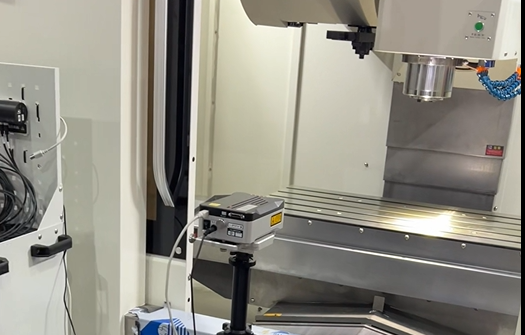
Manufacturers use laser interferometers to measure axis movement and positioning accuracy. This process helps detect small movement errors that cannot be seen during normal machining.

Laser testing is commonly used to check:

  • CNC positioning accuracy
  • Repeat positioning accuracy
  • Axis movement deviation
  • Accuracy Compensation

After testing, the machine control system can apply accuracy compensation to reduce positioning errors and improve machining consistency.

After compensation, some high-accuracy VMC machines can achieve positioning accuracy around 6μm and repeat positioning accuracy within 1–3μm.


Quality Control and Manufacturing Philosophy

High vertical machining center accuracy is not only about hardware or calibration. Consistent quality control and manufacturing standards are equally important.

A high-precision vertical machining center requires strict inspection throughout the production process. From machine casting and assembly to final laser testing, every step affects the final machining accuracy.

Stable quality control helps ensure:

  • Consistent VMC accuracy
  • Better machining stability
  • Long-term reliability
  • Avoid Excessive Cost Reduction

Some manufacturers reduce costs by using lower-grade components or simplifying assembly processes. While this may lower the machine price, it can also reduce machining accuracy, rigidity, and long-term stability.

A reliable CNC machine manufacturer should balance cost, quality, and long-term performance instead of focusing only on short-term price competition.


How to Choose a High-Accuracy Vertical Machining Center

Buying a vertical machining center is not just about checking specifications. Long-term machining accuracy depends on the machine structure, core components, and manufacturing quality behind the machine.


Check the Core Components

The quality of ball screws, linear guides, spindle systems, and machine castings directly affects VMC accuracy and machining stability.

High-quality components usually provide:

  • Better positioning accuracy
  • Higher rigidity
  • Longer service life


Verify Real Accuracy Data

Do not rely only on catalog specifications. A reliable CNC machine manufacturer should provide actual testing data, such as:

  • Laser interferometer reports
  • Positioning accuracy data
  • Repeat positioning accuracy results

These reports better reflect the real performance of a high-precision vertical machining center.


Evaluate Manufacturing and Assembly Quality

Machine accuracy also depends on assembly craftsmanship and quality control standards. A manufacturer with strict assembly processes and precision inspection systems is more likely to deliver stable long-term machining performance.


FAQ

What is a good accuracy level for a vertical machining center?

For a high precision vertical machining center, positioning accuracy is commonly around 6μm, while repeat positioning accuracy is usually within 1–3μm. Actual accuracy may vary depending on machine configuration and application requirements.

What affects VMC accuracy the most?

Several factors affect VMC accuracy, including ball screws, linear guides, machine rigidity, assembly craftsmanship, and laser calibration. Poor quality in any of these areas can reduce machining stability and precision.

Why are ball screws important in a VMC?

Ball screws directly control axis movement and positioning accuracy. High-quality ball screws help reduce backlash, improve repeatability, and maintain stable machining performance over time.

How does thermal deformation affect machining accuracy?

During long machining cycles, heat from the spindle, cutting process, and axis movement can cause machine expansion. This thermal deformation may lead to dimensional errors and unstable machining results.

How can users verify the real accuracy of a CNC machine?

Users can request laser interferometer test reports, positioning accuracy data, repeat positioning results, and actual machining samples from the CNC machine manufacturer before purchasing.


Conclusion

The accuracy of a vertical machining center depends on more than just specifications. High-quality components, stable machine structure, precision assembly, and laser calibration all play an important role in long-term machining performance.

Choosing the right VMC is not only about machine price, but also about machining stability, repeatability, and long-term reliability in real production environments.

If you are looking for a high-precision vertical machining center for stable and efficient machining, choosing a manufacturer with strong assembly experience and strict quality control can make a significant difference in your production results.


伝言を残す

伝言を残す
当社の製品に興味があり、詳細を知りたい場合は、ここにメッセージを残してください。できるだけ早く返信いたします。
送信

製品

whatsApp

コンタクト